The Rise of Vertical SaaS: How Industry-Specific Solutions are Reshaping Entrepreneurship
Samy Moubri, CEO InterfaceProjects • August 4, 2024

The Rise of Vertical SaaS: How Industry-Specific Solutions are Reshaping Entrepreneurship

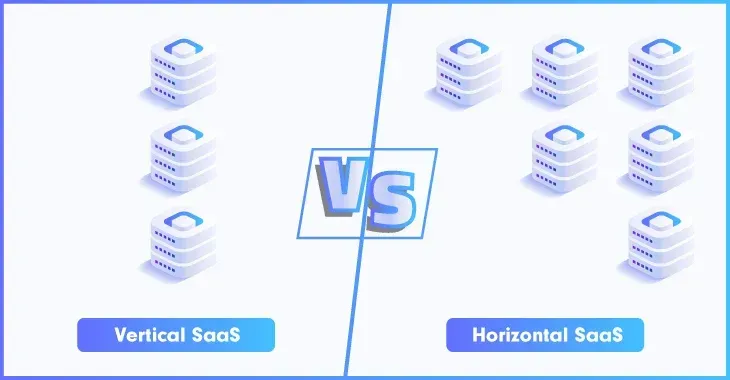
In the ever-evolving landscape of Software as a Service (SaaS), a new trend is gaining momentum and reshaping the way entrepreneurs approach their businesses: Vertical SaaS. Unlike traditional horizontal SaaS solutions that cater to a broad range of industries, vertical SaaS focuses on providing tailored solutions for specific sectors. This shift is not just a minor adjustment in the SaaS world; it's a game-changer for entrepreneurs and established businesses alike.


Understanding Vertical SaaS


Vertical SaaS refers to cloud-based software designed to serve a particular industry niche. These solutions are built with a deep understanding of industry-specific challenges, regulations, and workflows. For instance, a vertical SaaS solution for healthcare would be fundamentally different from one designed for the real estate sector.


The Advantages of Going Vertical


1. Tailored Functionality


Vertical SaaS solutions offer features and functionalities that are precisely aligned with the needs of a specific industry. This targeted approach means less time spent on customization and a higher rate of adoption among users.


2. Compliance and Regulation Management


Industries like healthcare, finance, and legal services are heavily regulated. Vertical SaaS solutions come pre-equipped with features to ensure compliance with industry-specific regulations, reducing the burden on entrepreneurs to navigate complex legal landscapes.


3. Industry-Specific Data and Analytics


These solutions often include industry benchmarks and analytics tailored to sector-specific KPIs, providing invaluable insights that generic solutions might miss.


4. Faster Implementation and ROI


With industry-specific features built-in, vertical SaaS solutions typically require less configuration and customization, leading to faster implementation and quicker return on investment.


How Vertical SaaS is Transforming Entrepreneurship


Lowering Barriers to Entry


Vertical SaaS is democratizing access to sophisticated tools that were once the preserve of large corporations. Entrepreneurs can now leverage industry-specific solutions without the need for extensive customization or development resources.


Fostering Innovation


By addressing niche market needs, vertical SaaS is opening up new opportunities for entrepreneurs to innovate within their specific sectors. This targeted approach allows for the development of novel solutions that horizontal SaaS might overlook.


Enhancing Competitive Advantage


Entrepreneurs using vertical SaaS can quickly adopt best practices and cutting-edge technologies specific to their industry, giving them a competitive edge in rapidly evolving markets.


Improving Customer Experience


With solutions tailored to industry-specific customer needs, entrepreneurs can provide a more seamless and relevant experience to their clients, enhancing satisfaction and loyalty.


The Future of Vertical SaaS


As we look ahead, several trends are likely to shape the future of vertical SaaS:


1. AI Integration: Expect to see more AI-powered features tailored to specific industry needs, from predictive analytics in healthcare to automated underwriting in insurance.


2. Ecosystem Development: Vertical SaaS providers are likely to build robust ecosystems around their platforms, integrating with other industry-specific tools and services.


3. Micro-Vertical Solutions: We may see a rise in even more specialized solutions catering to sub-niches within industries.


4. Cross-Industry Collaboration: As industries increasingly overlap (e.g., fintech, healthtech), vertical SaaS solutions may evolve to address these intersections.


Conclusion


The rise of vertical SaaS represents a significant shift in the entrepreneurial landscape. By providing targeted, efficient, and compliant solutions, it's enabling entrepreneurs to focus more on innovation and less on the intricacies of software customization. As this trend continues to grow, we can expect to see a new wave of industry-specific innovations that will further transform how businesses operate in their respective sectors.


For entrepreneurs, the message is clear: embracing vertical SaaS could be the key to unlocking new levels of efficiency, compliance, and competitive advantage in your industry. As you navigate the SaaS landscape, consider how industry-specific solutions might propel your business forward in ways that traditional, one-size-fits-all approaches simply can't match.


By Samy Moubri CEO InterfaceProjects July 28, 2024
Conversational AI in SaaS Solutions: Transforming User Experience in 2024
By Samy Moubri, CEO InterfaceProjects July 14, 2024
Introduction: Artificial Intelligence (AI) is radically transforming the landscape of Software as a Service (SaaS) solutions. This revolutionary technology not only promises to enhance existing functionalities but also to create new possibilities that were previously unimaginable. In this article, we'll explore how AI is shaping the future of SaaS solutions and what implications this has for businesses and users. 1. Advanced Personalization AI enables unprecedented personalization of SaaS solutions: - Adaptive user interfaces that adjust based on user behavior - Feature recommendations based on individual usage patterns - Automatically generated personalized content and reports Impact: A tailored user experience that increases productivity and customer satisfaction. 2. Intelligent Automation AI pushes automation far beyond repetitive tasks: - Autonomous decision-making for complex processes - Continuous workflow optimization without human intervention - Proactive problem prediction and resolution Impact: Significant reduction in manual tasks, allowing employees to focus on higher-value activities. 3. Advanced Predictive Analytics AI's analytical capabilities transform data into actionable insights: - Accurate forecasting of market trends and customer behavior - Early detection of anomalies and opportunities - Real-time optimization of business strategies Impact: Faster and more accurate decision-making, offering a significant competitive advantage. 4. Natural and Intuitive Interaction AI makes SaaS interfaces more natural and accessible: - Integrated voice assistants for hands-free navigation and control - Advanced chatbots capable of understanding and responding to complex queries - Augmented reality interfaces for intuitive data visualization Impact: Increased adoption of SaaS solutions, even by non-technical users, thanks to more user-friendly interfaces. 5. Enhanced Security and Compliance AI plays a crucial role in improving the security of SaaS solutions: - Real-time detection of security threats and automated response - Behavioral analysis to identify suspicious activities - Automatic updating of compliance policies in line with evolving regulations Impact: Increased user trust and reduced security and compliance risks. 6. Accelerated Development and Deployment AI revolutionizes how SaaS solutions are developed and updated: - Automatic code generation to accelerate development - More comprehensive and faster automated testing - Intelligent deployments that minimize downtime and optimize performance Impact: Shorter development cycles, more frequent updates, and higher quality products. 7. Improved Integration and Interoperability AI facilitates integration between different SaaS solutions: - Intelligent connectors that automatically adapt to API changes - Real-time data synchronization across multiple platforms - Integration recommendations based on company usage and needs Impact: More coherent and efficient SaaS ecosystem, reducing information silos. Conclusion: The integration of AI into SaaS solutions marks the beginning of a new era in the world of enterprise software. This synergy between AI and SaaS promises to revolutionize how businesses operate, make decisions, and interact with their customers. Companies that adopt these AI-powered SaaS solutions will be better positioned to thrive in an increasingly competitive and dynamic business environment. However, this adoption also comes with new challenges, particularly in terms of ethics, data privacy, and technological dependence. As this revolution unfolds, it will be crucial for businesses to stay informed, adaptable, and ready to embrace these new technologies. The future of SaaS is undeniably tied to AI, and those who can leverage this synergy will be tomorrow's leaders.
By Samy Moubri, CEO InterfaceProjects July 14, 2024
Introduction: In the fast-paced world of entrepreneurship, staying competitive means constantly seeking ways to optimize business processes. Software as a Service (SaaS) solutions have emerged as powerful tools for start-ups looking to enhance their operational efficiency. This article explores five key ways SaaS can transform your business operations and set your start-up on the path to success. 1. Automating Repetitive Tasks: Unleash Your Team's Potential One of the most significant advantages of SaaS solutions is their ability to automate routine, time-consuming tasks. By leveraging these powerful tools, start-ups can: - Streamline workflow management - Automate data entry and processing - Set up automated email marketing campaigns - Manage invoicing and financial processes automatically The result? Your team can focus on high-value activities that drive growth and innovation, rather than getting bogged down in mundane, repetitive work. 2. Improving Collaboration: Breaking Down Barriers In today's globalized business environment, effective collaboration is crucial. SaaS platforms excel at facilitating seamless, real-time collaboration: - Cloud-based document sharing and editing - Project management tools with real-time updates - Video conferencing and instant messaging integration - Shared calendars and task management systems These features enable your team to work together efficiently, regardless of their physical location, fostering a culture of collaboration and innovation. 3. Real-Time Data Access: Empowering Informed Decision-Making In the fast-moving start-up world, having access to up-to-date information is critical. SaaS solutions provide: - Real-time analytics dashboards - Instant financial reporting - Customer behavior insights - Sales and marketing performance metrics With this wealth of real-time data at your fingertips, you can make informed decisions quickly, adapting your strategies to changing market conditions and customer needs. 4. Flexibility and Scalability: Growing Without Growing Pains One of the biggest challenges for start-ups is managing growth. SaaS solutions offer unparalleled flexibility and scalability: - Easy user addition or removal - Pay-as-you-go pricing models - Quick feature upgrades without major overhauls - Ability to integrate new tools as your business evolves This scalability ensures that your technology can keep pace with your start-up's growth, without the need for significant infrastructure investments or technical headaches. 5. Cost Reduction: Maximizing Your Start-Up Capital For cash-conscious start-ups, SaaS offers significant cost benefits: - Reduced upfront investment in software and hardware - Lower maintenance and upgrade costs - Elimination of in-house IT infrastructure expenses - Pay only for what you use, optimizing resource allocation By leveraging the economies of scale offered by SaaS providers, start-ups can access enterprise-grade technology at a fraction of the traditional cost. Conclusion: Adopting SaaS solutions is more than just a technological upgrade—it's an investment in your start-up's future. By automating tasks, improving collaboration, providing real-time data access, offering scalability, and reducing costs, SaaS tools can significantly enhance your operational efficiency. As the business landscape continues to evolve, start-ups that leverage these technologies will be better positioned to adapt, grow, and succeed. The question isn't whether you can afford to integrate SaaS solutions into your business processes—it's whether you can afford not to.
By Samy Moubri, CEO InterfaceProjects July 14, 2024
Introduction: The world of SaaS (Software as a Service) continues to experience explosive growth in 2024. As businesses seek to optimize their operations and deliver exceptional customer experiences, new trends are emerging and shaping the future of the industry. In this article, we'll explore five key trends dominating the SaaS landscape in 2024 and their impact on businesses. 1. Hyper-Personalization: The Era of Digital Tailoring In a world where consumers expect increasingly relevant experiences, hyper-personalization is becoming the norm. SaaS companies are now using artificial intelligence (AI) and advanced data analytics to offer ultra-personalized user experiences. - How it works: AI algorithms analyze user behavior, preferences, and history to dynamically adapt the interface, features, and recommendations. - Benefits: Improved user engagement, increased customer satisfaction, and optimized conversion rates. - Example: A project management software that automatically adjusts its interface and features based on the user's role and work habits. 2. Increased Automation: The Silent Revolution Automation continues to transform business processes, thanks to constant advances in AI and machine learning. - Applications: Automation of repetitive tasks, AI-assisted decision-making, and workflow optimization. - Impact: Increased productivity, reduction of human errors, and freeing up employee time for higher-value tasks. - Example: AI chatbots capable of handling complex customer support requests without human intervention. 3. Enhanced Security: The Absolute Priority With the proliferation of cyberattacks, data security in the cloud is becoming more critical than ever. - Challenges: Protection against data breaches, regulatory compliance (GDPR, CCPA, etc.), and maintaining customer trust. - Solutions: End-to-end encryption, advanced multi-factor authentication, and the use of AI to detect threats in real-time. - Emerging trend: The growing adoption of the "Zero Trust Security Model" in SaaS solutions. 4. Omnichannel Integration: The Seamless Customer Experience SaaS solutions facilitate the integration of multiple communication channels for a seamless and consistent customer experience. - Concept: Unification of customer interactions across all touchpoints (web, mobile, social media, customer support). - Benefits: Improved customer satisfaction, increased loyalty, and optimized conversions. - Example: A CRM platform that centralizes all customer interactions, regardless of the channel used, offering a 360° view of each customer. 5. Vertical SaaS: Specialization as a Differentiator The emergence of specialized SaaS solutions for specific industries offers tailored functionalities. - Characteristics: Features adapted to the specific needs of a sector, integrated regulatory compliance, and specialized integrations. - Advantages: Better alignment with business needs, faster implementation, and potentially higher ROI. - Examples: Dedicated SaaS solutions for healthcare, finance, real estate, or education. Conclusion: These SaaS trends of 2024 reflect an ever-evolving ecosystem, focused on personalization, efficiency, and security. To remain competitive, companies must not only adopt these innovations but also anticipate their impact on their operations and long-term strategies. As the SaaS industry continues to evolve, businesses that stay informed and adaptable will be best positioned to leverage these trends for growth and success. Whether you're a SaaS provider or a business relying on SaaS solutions, understanding and preparing for these trends is crucial for navigating the future of software as a service.